February 21, 2026: AI's New Reality: Building the Factory, Not Just the Magic
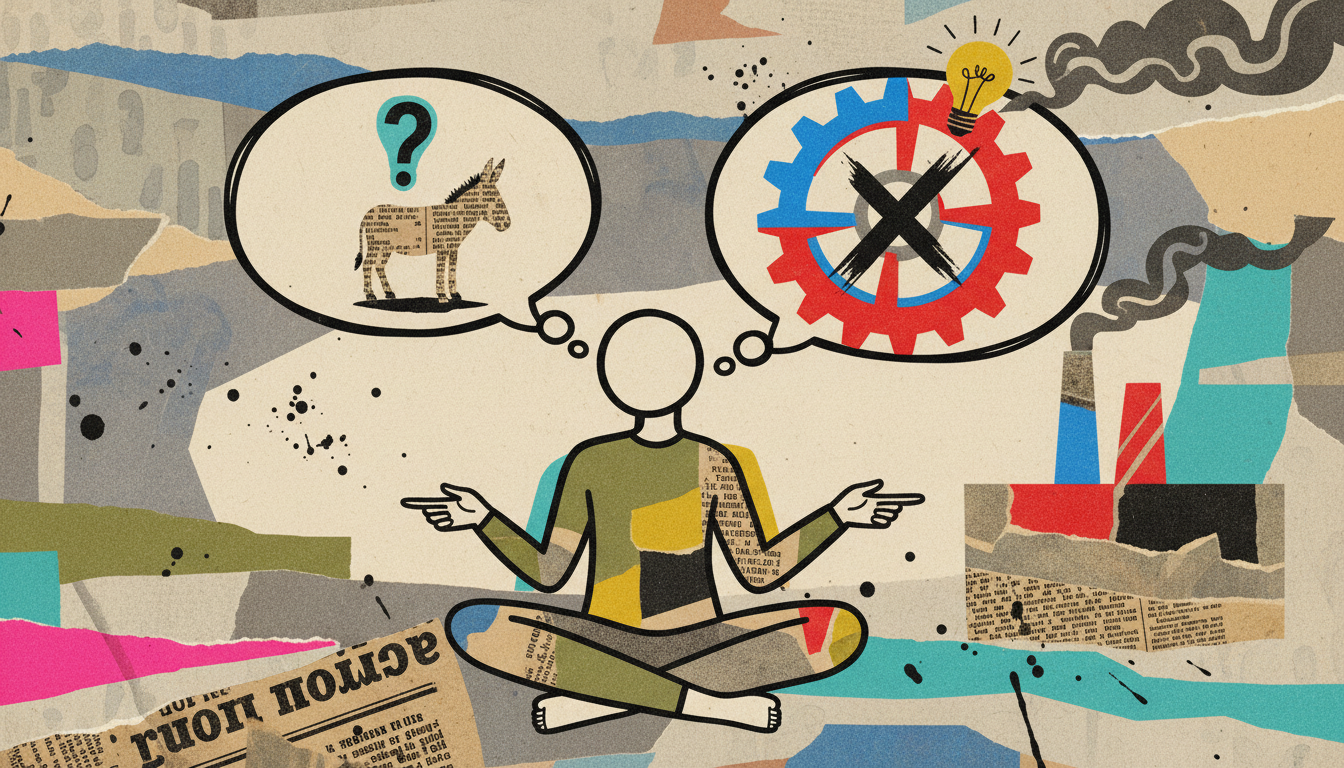
AI's magic is cheap. Will you build a herd of niche "donkey" businesses or create efficient on-premise "AI factories" for lasting value?
Today’s key AI stories
- Building the AI Factory: A deep dive into creating on-premise GPU-as-a-Service (GPUaaS) platforms. It shows how enterprises can manage expensive AI hardware efficiently and securely. The key is utilization.
- Donkeys Over Unicorns: The rules for startups have changed. AI makes creating products easy, a phenomenon called "Commoditized Magic." This erodes competitive advantages, suggesting a new path: building a portfolio of small, niche businesses ("donkeys") instead of chasing one billion-dollar idea ("unicorn").
- AI Gets Real in Retail: In the Asia-Pacific region, AI is no longer just for analytics. It's in daily operations. Think cashier-less stores, automated inventory, and AI agents that plan your weekly meals. This is AI solving practical, everyday problems.
- The Great Hype Correction: A look back at 2025 reminds us that the initial AI frenzy is over. We are now in a phase of realistic expectations and practical application.
The AI Factory and Its Magic Dust
We are living in a strange time for AI. It has never been more powerful. Yet, building a lasting business with it has never been harder. This is a paradox. Why is this happening? The answer is simple. The initial hype is over. The 'Great AI Hype Correction of 2025' taught us a lesson. Now, the real work begins. We are moving from fascination to function. From magic tricks to manufacturing. And in this new era, two clear paths are emerging. You can either sell the magic dust. Or you can build the factory that makes it.
Path 1: Selling a Thousand Specks of Magic Dust
Imagine a world where anyone can create magic. A skilled engineer can build a useful app in a single weekend. This app might do the job of a product from a large software company. This is the new reality. One article today calls it "Commoditized Magic." The magic is real. But it is also cheap. It is everywhere. This changes everything for entrepreneurs.

What is a business moat? It is the ditch around your castle. It protects you from competitors. In the age of AI, these moats are drying up. If you build a great product, a competitor can replicate its function quickly. Big tech companies can add your feature with the click of a button. The cost to start a company is falling dramatically. This means you have thousands of competitors. Not just a few.
So what is the path forward? One author suggests a brilliant idea. Stop hunting for the single, elusive unicorn. Instead, start herding donkeys. A unicorn is a billion-dollar company. A donkey is a small, steady, profitable business. It serves a niche market. It solves a specific problem. It is not glamorous. But it makes money.
Thanks to AI, a single person can now run a portfolio of these "donkey" businesses. AI agents can handle customer support. They can manage marketing. They can even write code. The founder becomes a portfolio manager. Their job is to decide which donkeys to feed. And which new niches to enter. This path doesn't require venture capital. It's about distributing risk and building sustainable, owned value.
Path 2: Building the Factory
There is another path. It is the opposite approach. If the magic dust is a commodity, where is the real, defensible value? The value lies in the factory. The infrastructure that produces all the magic. This is the enterprise play.
Large companies are asking serious questions. They are not just playing with chatbots. They are asking: What is our real AI strategy? Should we use the cloud or build our own systems? How do we secure our data? And most importantly, how much will this cost at scale? These are factory-level questions.
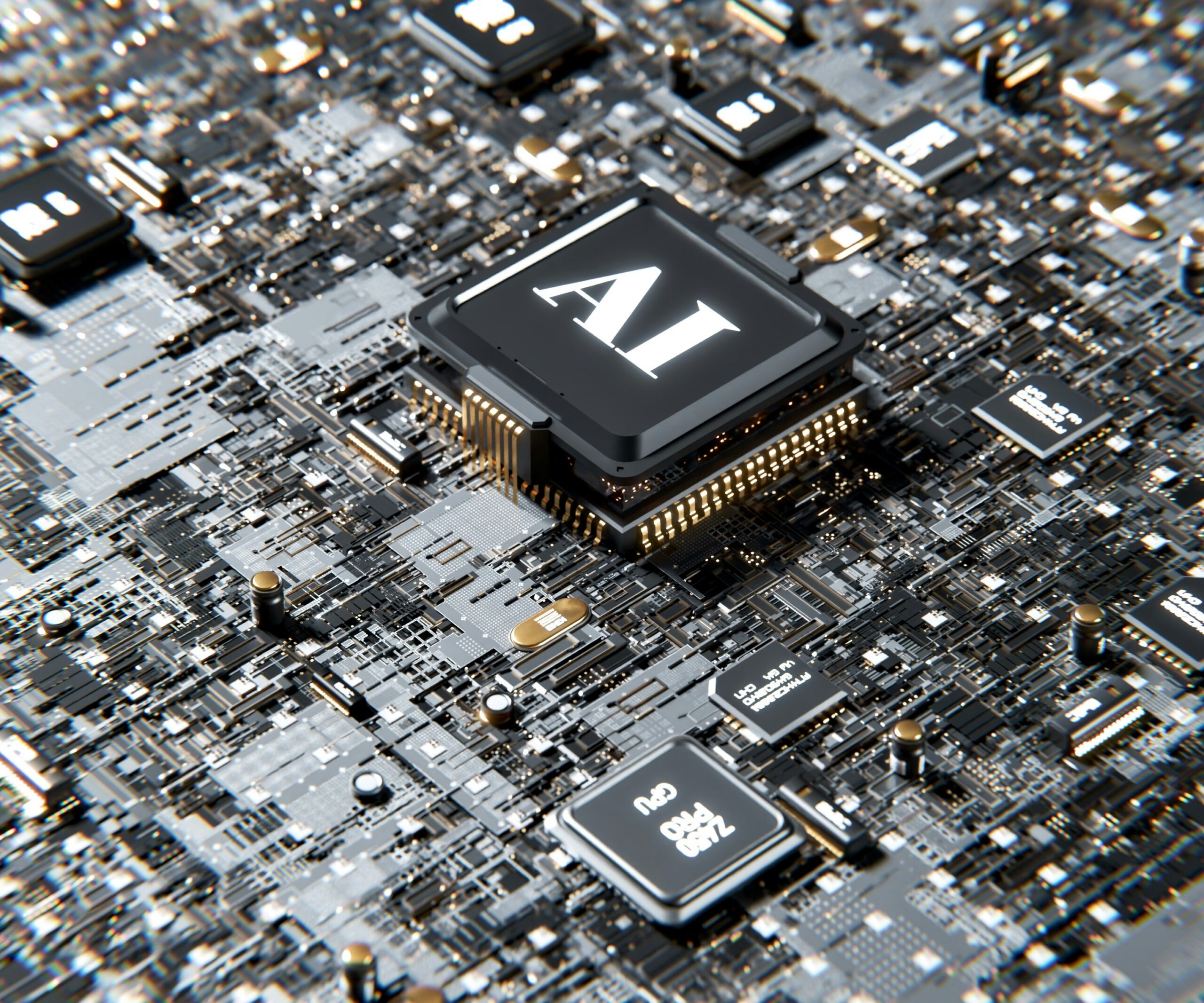
An article today provides a blueprint for this factory. It's called GPU-as-a-Service, built on-premise. Let’s break that down. A GPU is a powerful chip. It's the engine for modern AI. These chips are incredibly expensive. An enterprise might buy a server packed with them. But many different teams need to use these chips. How do you share them efficiently?
You build a platform. A system that lets teams reserve GPU time. Like booking a conference room. This ensures the expensive hardware is always working. This is called multi-tenancy. Everyone has their own secure space, but they share the core resource.

Inside the Factory: The Economics of AI Production
The genius of this factory model is not just sharing. It's about optimizing cost. The biggest enemy of an AI factory is an idle machine. Every minute a GPU sits unused, you are losing money. The goal is maximum utilization.
To achieve this, the platform uses clever tricks. One is called MIG, or Multi-Instance GPU. It allows you to partition a single physical GPU into several smaller, isolated virtual GPUs. A large task gets a whole GPU. Smaller tasks can each get a slice. Another trick is time-slicing. Multiple tasks can share one GPU slice by taking turns very quickly. This is like having several people use the same tool in rapid succession.
Why does this matter? It all comes down to a single metric: cost per million tokens. Think of a token as a word processed by the AI. Your total cost (hardware, power, cooling) is fixed. The more tokens you process with that fixed cost, the cheaper each token becomes. A factory running at 80% utilization produces tokens for almost half the cost of one running at 40%. This is the moat. This is the defensible advantage. Efficiency at scale.
For a business with constant AI needs, building this on-premise factory becomes cheaper than paying a public cloud provider per token. The cloud is great for experimenting. The factory is for production.
The Factory in Action: Real-World AI
This isn't just theory. We see these factories being put to work right now. Look at the retail sector in the Asia-Pacific region. AI is solving real problems. It is making businesses more efficient.

In Japan, Lawson has AI-powered stores with no cashiers. In South Korea, tiny automated micro-stores are popping up in gyms. This is computer vision in action. It runs on a powerful AI backend. A food chain uses cameras to monitor shelves. An AI system predicts which items will expire soon. It alerts staff to apply discounts. This reduces waste and saves money.
A new trend is Agentic AI. This is like a smart assistant for your life. You can tell it: "Plan five family dinners for next week. Use Asian recipes. No shellfish. Keep it under 45 minutes." The AI agent doesn't just give you a list. It generates recipes. It builds a shopping cart. It sizes the quantities perfectly. It even adds staples you might be missing, like cooking oil. This is a complex task, executed simply. It is made possible by the AI factory running quietly in the background.
Your Choice: Herder or Builder?
So we return to the paradox. AI's magic is becoming a common commodity. Its value is harder to capture. But this is not the end of the story. It is the beginning of a new chapter. The AI gold rush has changed. It's no longer about finding one giant gold nugget. The ground is now filled with gold dust. Anyone can find it.
The durable, long-term value lies in two strategic places. First, you can become a master of collecting this dust. You can build a herd of 'donkey' businesses. Each one is a small, solid stream of income. Together, they create a resilient and valuable portfolio. You can become a donkey herder.
Or, you can build the heavy machinery. You can sell the shovels, the pickaxes, and the factories that process the ore. You can provide the secure, efficient, and powerful infrastructure that enterprises need to run their AI operations at scale. You can become a factory builder.
The hype is gone. The era of practical, industrial-scale AI is here. The question for all of us is simple. In this new world, will you be a herder or a builder?