February 22, 2026: The Secret to Cheaper AI? Big Tech Is Building Its Own.
Uncover the blueprint for enterprises to build private AI platforms, leverage GPUs, and implement smart software to slash public cloud AI costs by millions.
Today’s Key AI Story
- A Cisco AI engineer has revealed the blueprint. It shows how enterprises are building their own private AI platforms. They use powerful GPUs and smart software. This lets them escape the high costs of public cloud AI. It’s a shift from renting AI to owning the factory.
The AI Cloud Bill Is Too Damn High
Everyone is using AI. It feels like magic. We ask a question. We get an answer. But this magic has a price. And the bills are getting bigger. Every time you use ChatGPT, you pay. Every time your company uses a cloud AI API, it pays. This is the pay-per-token model. It's great for starting out. It’s easy and fast. But for big companies, it’s a problem. The cost scales endlessly.
So, they are asking a new question. Instead of renting AI power, can we own it? Can we build our own private AI factory? The answer is yes. And a new article from an AI Solutions Engineer at Cisco shows us how.
It's a look inside the engine room of enterprise AI. It’s about building a system that is cheaper, more secure, and completely under your control. Let's break down how they do it.
Step 1: Get the Hardware. The AI Engine.
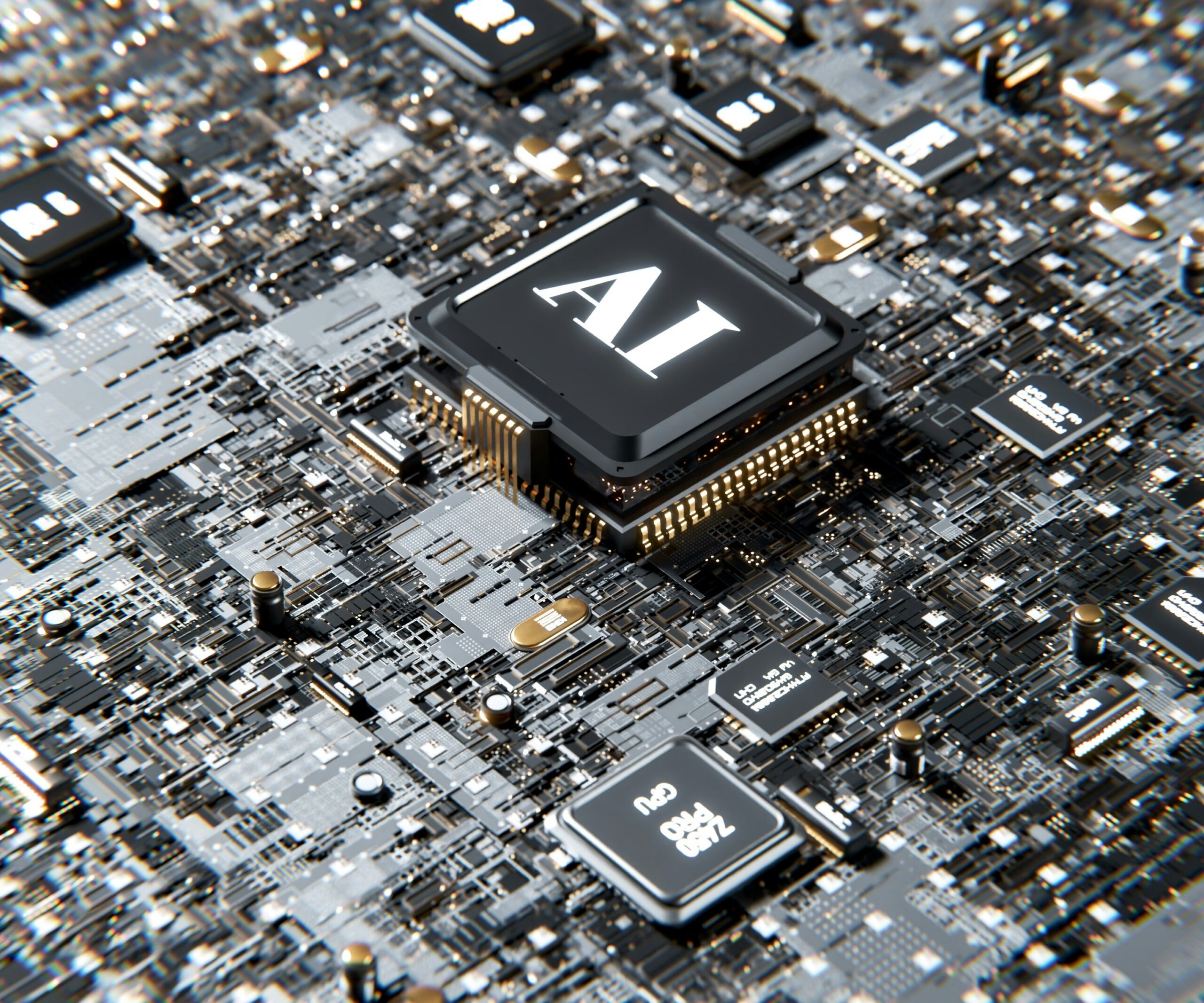
An AI factory needs powerful machines. This is the foundation. The article mentions a specific server: the Cisco UCS C845A. Think of it as the factory building. Inside this building are the real engines: GPUs. Specifically, two NVIDIA RTX PRO 6000 Blackwell GPUs. These are not the graphics cards in your gaming PC. They are monsters of computation. Designed for massive AI workloads.
This is the big upfront cost. Buying the hardware. But it's an investment. An investment in owning your future AI capacity. Instead of paying rent forever, you buy the house.
Step 2: Install the Operating System. The Factory's Brain.
You have the hardware. Now you need a brain to manage it. This is where software like Kubernetes comes in. The article uses a version called OpenShift. Think of Kubernetes as the master operating system for your factory. It doesn't just run one computer. It runs the entire cluster of computers. Its job is to manage all the resources. CPU power. Memory. And most importantly, those precious GPUs. It decides who gets what, and when. It makes sure everything runs smoothly and efficiently.
Step 3: Create the Rules. The Factory Management.
This is the secret sauce. It’s not just about having powerful hardware. It’s about managing it smartly. The author, Joe Sasson, designed a brilliant system with three parts.

The Reservation Desk (The Scheduling Plane)
GPUs are incredibly expensive. An idle GPU is like burning money. How do you prevent this? You make people book time. The system has a simple calendar interface. A data science team needs a powerful GPU for three hours? They book a slot. Just like booking a conference room. This simple idea is revolutionary. It drives up utilization. It ensures the expensive hardware is always working, always creating value. It treats GPU time as the precious resource it is.
The Automated Factory Manager (The Control Plane)
At the heart of the system is a controller. Imagine a factory manager who never sleeps. This manager is a piece of code. It runs in a loop, every 30 seconds. What does it do? It reads the schedule (the database). It sees Team A's reservation has started. It automatically prepares their workspace and assigns their GPU. It sees Team B's time is up. It automatically cleans up their workspace, freeing the resources for the next team. It's a relentless, self-healing loop. If the system crashes and restarts, the manager just picks up where it left off. It compares the schedule to reality and fixes any differences. This is the power of automation. It removes human error and ensures the factory runs at peak efficiency.

The Private Workstations (The Runtime Plane)
When a team gets their reserved slot, what do they get? They get a private, secure digital workspace. It's like their own mini-office inside the factory. It comes pre-loaded with all the tools they need: Jupyter, VS Code, AI libraries. This space is completely isolated. They cannot see what other teams are doing. Their data and models are safe. This is called multi-tenancy. It’s crucial for security and organization. One team's failed experiment can't bring down the whole system. Each team has its own 'blast radius'.

The Magic Trick: Making One GPU Act Like Many
Here's where it gets really clever. You have these giant, powerful GPUs. But not every task needs a giant GPU. Running a simple model on a huge GPU is wasteful. It's like using a sledgehammer to crack a nut. The solution? You split the GPU.

There are two main ways to do this:
1. Slicing the Cake (MIG - Multi-Instance GPU)
NVIDIA's technology allows you to physically partition a GPU. Imagine the GPU is a large cake. MIG lets you cut it into smaller, guaranteed slices. One GPU might become four smaller, independent GPUs. Each slice has its own dedicated memory and processing power. A team working on a small model gets a small slice. A team training a huge model can reserve the whole cake. This is hardware-level isolation. It's efficient and secure.
2. Sharing a Slice (Time-Slicing)
What if one team needs to run multiple tiny tasks? They can share their slice. Time-slicing lets multiple applications use the same GPU slice. The GPU rapidly switches between tasks. It happens so fast, it feels like they are all running at the same time. This is perfect for running many small AI agents or services at once. It further maximizes the use of every last bit of GPU power.
The Payoff: 'Tokenomics' and a New Way to Measure Cost
So, you've built this amazing factory. Was it worth it? How do you prove it's cheaper than the cloud? The author introduces a powerful concept: **Tokenomics**. Forget server costs and electricity bills for a moment. The only metric that matters for comparing AI cost is this: **Cost Per Million Tokens**. A token is the basic unit of text for an AI model. How much does it cost you to process one million of them?
The formula is simple: Your Total Annual Cost (hardware, power, maintenance) divided by The Total Tokens You Process in a year. The secret to lowering this cost is **utilization**. An idle factory has a fixed cost but processes zero tokens. Its cost per token is infinite. A factory running at 80% utilization spreads its fixed cost across a huge number of tokens. Each token becomes incredibly cheap.
This is why the reservation system and GPU sharing are so important. They are not just features. They are cost-reduction machines. They exist to maximize utilization. For companies with constant, high-volume AI workloads, there is a clear tipping point. A point where the on-premise cost per token drops far below the price of cloud APIs. This is where they save millions.
What This All Means
This isn't just a technical guide. It's a strategic roadmap. It shows that the future of AI is not just about bigger models. It's about smarter, more efficient infrastructure. For businesses, it means taking back control. Control over your costs. Control over your data. Control over your AI destiny. The conversation is shifting. It's no longer just 'what AI can do for us?'. It's 'how do we build a sustainable, cost-effective platform to do it?'.
For engineers, this signals a new frontier. The most valuable skills are not just in training models, but in building the systems that run them at scale. Understanding Kubernetes, GPU scheduling, and system architecture is becoming essential. The barrier to entry is lower than you think. The tools are mature. The patterns are becoming clear. Companies are realizing they can build their own cloud-like experience, in-house. And in the long run, it gives them a powerful competitive edge.