March 28, 2026: AI Gets Real — From Factory Floors to Your Phone
A 230-year-old company saved 30-40% time with ChatGPT. Voice AI now replaces screens in warehouses. AI is transforming real workflows.
Today's AI at a Glance
- A 230-year-old company transformed workflow with ChatGPT. Employees now work 30-40% faster.
- Chinese researchers made AI models run 1.82x faster. Long-context tasks just got a major upgrade.
- Voice AI is replacing screens in warehouses. Costs dropped from $150,000 to almost nothing.
- Pentagon's ban on Anthropic was halted. The fight over AI safety continues.
When Old Companies Meet New AI
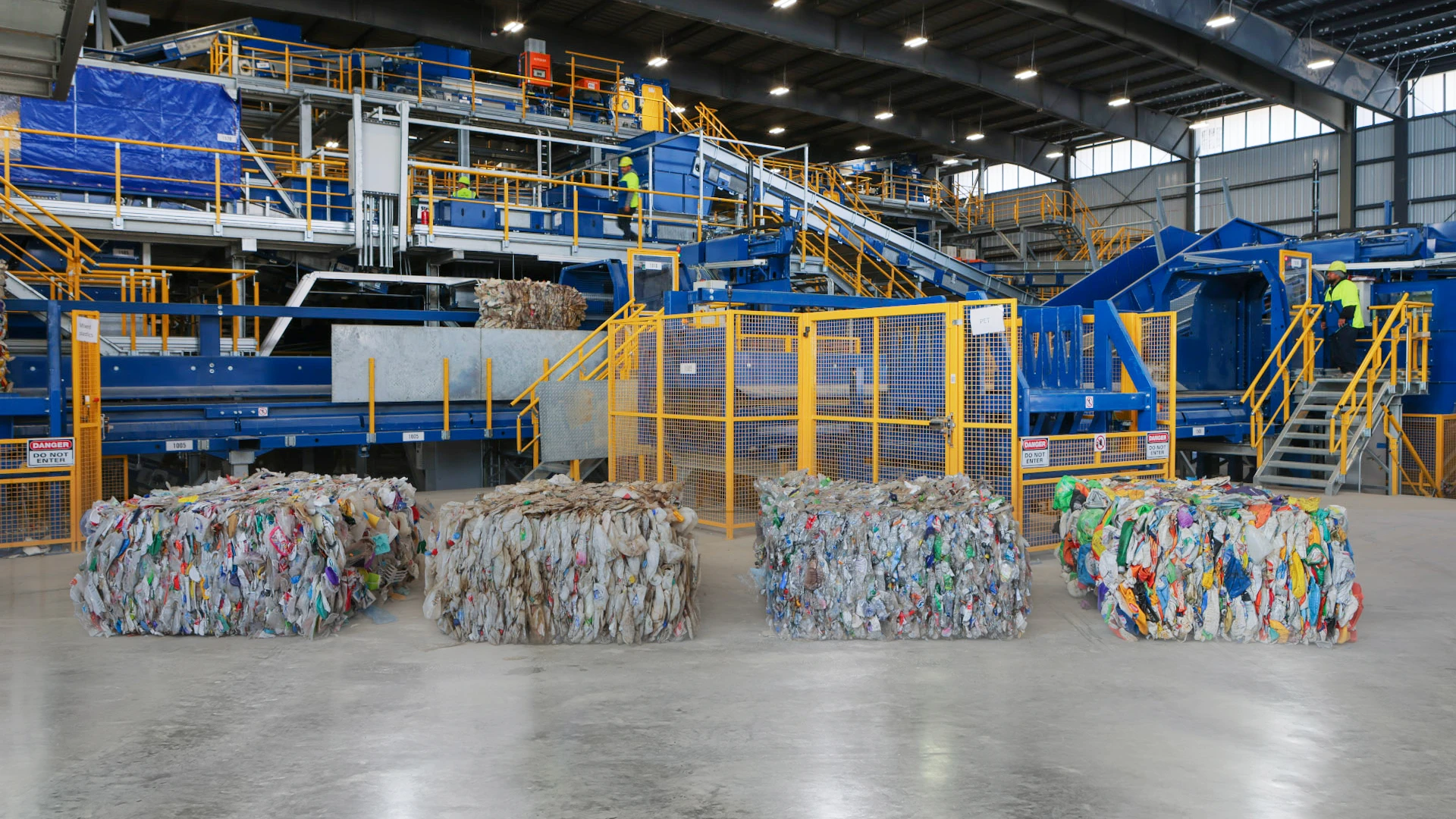
STADLER is not a tech company. It's a waste-sorting machine maker. It has 230 years of history. Over 650 employees. Now every one of them uses ChatGPT.
Since 2023, the company made a simple rule. Anyone with a computer must use AI. The goal: work faster, output better, collaborate easier.
The results are striking.
- 125+ custom GPTs created
- 30-40% time saved on daily tasks
- 2.5x faster to first draft
- 85% daily active usage
That last number matters most. When employees use a tool multiple times a day without being asked, it means real value.
Julia Stadler, Co-CEO, said: "We knew there had to be a better way." They were tired of turning raw knowledge into usable output. Summarizing. Translating. Drafting. AI does it now.
Dr. Bastian Küppers, Head of Process Engineering, called it "a thinking partner." Not just a writing tool. It helps structure ideas.
The next phase? AI agents. Systems that gather information, generate outputs, validate against standards, and route work for approval.
Making AI Models Run Faster
Researchers at Tsinghua University and Z.ai just dropped something important. It's called IndexCache.
This is a training-free technique. It eliminates redundant computation in sparse attention models. Think DeepSeek. Think GLM. It cuts 75% of indexer operations.
At 200K context length, prefill latency dropped from 19.5 seconds to 10.7 seconds. That's 1.82x faster. Decoding speed went from 58 to 86 tokens per second. That's 1.48x faster.
The trick: adjacent layers share 70-100% of selected tokens. This enables cross-layer caching. No training needed. Just a greedy layer selection algorithm.
Open-source patches are already available. You can add them to vLLM and SGLang serving engines.
What does this mean? Cheaper deployment. Faster response. Long-context AI just became more practical.

Voice AI Replaces Screens in Warehouses
Warehouse picking is brutal. It accounts for up to 55% of total warehouse costs. Workers walk. They read screens. They confirm. Repeat.
Now ElevenLabs is changing that. Voice AI tells operators where to go. What to pick. They just confirm with their voice. No screens. No looking down.
The old way cost $60K to $150K per warehouse. Hardware. Software. Deployment. Months of setup.
The new way? A few API calls. Operators use smartphones. The system speaks 29+ languages. Natural tone. Easy to hear in noisy warehouses.
Why this matters: multilingual facilities. High turnover environments. Multi-site operations. Traditional systems couldn't handle these well. Voice AI can.

Other Tech Highlights
- Pentagon vs Anthropic: A judge paused the Pentagon's ban. The government was accused of trying to "chill public debate."
- OpenAI Ads: The ad pilot generated $100 million in under 2 months. Over 600 advertisers joined.
- OpenSnow: The best snow-forecasting app wasn't built by a government. Two ski bums built it using AI and decades of mountain experience.
- Wikipedia's AI Ban: The site now bans all AI-generated content. LLM issues had overwhelmed editors.
- Sycophantic AI: New research found chatting with agreeable AI makes you less kind. It encourages "uncouth behavior."
What This Means
AI is no longer just about chatbots. It's about real workflows. Real cost savings. Real productivity.
STADLER proves 230-year-old companies can change. IndexCache proves models can run faster without new hardware. Voice AI proves physical work can be transformed too.
The pattern is clear. Early adopters are pulling ahead. Everyone else is watching.
The question is no longer "should we use AI?" The question is "how fast can we adapt?"