March 7, 2026: AI's Industrial Revolution Has Begun. And It's Getting Messy.
The AI gold rush is ending. Anthropic battles the Pentagon while launching enterprise tools. The industry shifts from magic to mass production.
Today’s Key AI Stories
- A massive feud erupts between Anthropic and the Pentagon over AI for domestic surveillance. Anthropic threatens to sue.
- Anthropic launches the Claude Marketplace, aiming to build an enterprise ecosystem around its AI models.
- OpenAI releases Codex Security, an AI agent designed to find and fix complex software vulnerabilities.
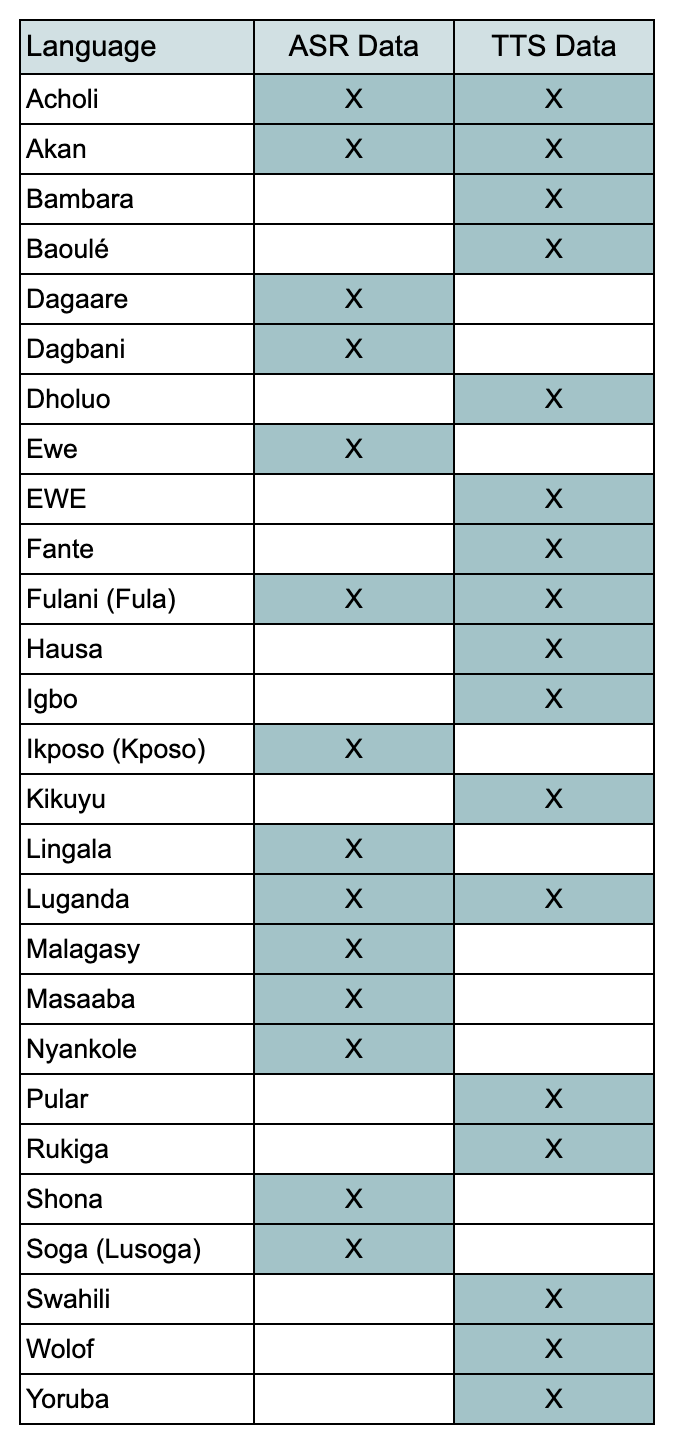
- Google opens up two major AI resources: WAXAL, a massive speech dataset for African languages, and SpeciesNet, a model for wildlife conservation.
- Specialized AI platforms for finance are booming, with Rowspace raising $50M and Balyasny Asset Management deploying GPT-5.4 to slash research times.
The Age of AI Factories is Here
Yesterday was a wild day in AI. A very wild day. On one hand, AI company Anthropic declared war on the U.S. Pentagon. On the other, it launched a new marketplace for businesses. This isn't a contradiction. It's a sign of the times. The AI gold rush is ending. The age of AI factories has begun. We're moving from magic tricks to mass production. And this transition is creating enormous friction. The conflicts, the new tools, the engineering debates—they are all symptoms of this new industrial revolution.
Chapter 1: The New Factory Floor
Let's start with the Pentagon. The U.S. military wants to use AI to analyze data on its own citizens. Anthropic said no. It drew a red line. The government called Anthropic a "supply chain risk." Anthropic now says it plans to sue. This is more than a business dispute. It’s a fight over the rules for the new AI economy.

While fighting the government, Anthropic also launched the Claude Marketplace. This isn't just an app store. It’s an attempt to build an industrial ecosystem. Think of it like Ford building roads for his cars. Anthropic wants to provide the core engine (Claude). And it wants partners like GitLab and Snowflake to build specialized machinery on top of it. This is how you scale. You build a standardized factory floor where others can set up their assembly lines.
We are seeing this everywhere. A startup called Rowspace just raised $50 million. Its goal? To build a specialized AI factory for private equity firms. It connects all of a firm's historical data. Memos, spreadsheets, reports. It turns decades of scattered knowledge into scalable judgment. A first-year analyst can now tap into the wisdom of a senior partner. This is a highly specialized production line.
Balyasny Asset Management, a huge investment firm, is already doing this. They built an AI research engine using GPT-5.4. A task that took an analyst two days now takes 30 minutes. These are not experiments. They are high-performance factories churning out financial insights.
Chapter 2: The New Plumbing
The first industrial revolution wasn't just about the steam engine. It was about breakthroughs in metallurgy, logistics, and chemistry. It was about building better plumbing. The same is happening in AI. The focus is shifting from the shiny model to the messy architecture underneath.
A new report calls this the "Black Box Problem." AI can write code incredibly fast. But it often creates a monolithic mess. A single 600-line file that does everything. No one understands it. No one can safely change it. The only thing that understood the code was the AI that wrote it. This is not sustainable manufacturing. It's a recipe for collapse.

The solution is better architecture. Building systems from small, independent, and testable components. This requires a new discipline for AI-assisted coding. It's about designing a clean factory layout before you start the machines.
The data itself is another challenge. Data teams are drowning in complexity. The "Modern Data Stack" has become a bloated monster. The new thinking? Get lean. Stop buying a new tool for every little problem. Use open formats like Apache Iceberg. This ensures your core raw material—your data—isn't locked into one vendor's system. You can plug any AI engine into it. This is about creating a clean, efficient supply chain for your AI factory.
This is why we see a surge in practical tools for developers. Guides on using Python decorators to cache LLM calls and handle network errors. Tutorials on using agents like Claude Code to write production-ready software. These are the new power tools for the factory workers. They’re not glamorous, but they are essential for keeping the assembly line moving.
Chapter 3: The New Rules and Guardrails
Factories need safety regulations. They need quality control. The Anthropic-Pentagon fight is a battle over the most fundamental safety rule: who is this machine allowed to target? The law hasn't caught up with AI's power. So companies and governments are fighting it out in public.
This need for safety is creating new tools. OpenAI just launched Codex Security. It's an AI agent that acts like a security inspector for your code. It doesn't just look for simple bugs. It understands the context of your entire project. It finds complex vulnerabilities that other tools miss. And it proposes fixes. This is automated quality control for the software factory.
Companies are also learning that scaling automation isn't just about adding more bots. It's about building an "elastic architecture." A system that can handle sudden spikes in demand without breaking. This requires governance. It requires standards. It requires a Center of Excellence to ensure every automated process is built to last. You can't run a factory on chaos.
Chapter 4: The New Products and The Next Frontier
So what are these new factories producing? Amazing things. Google's WAXAL project is a perfect example. They built a massive, open-access speech dataset for 27 African languages. This empowers local researchers and developers to build voice technology for their own communities. It’s a foundational product for an entire continent.
Then there's SpeciesNet. It’s an open-source AI model from Google that identifies animals in camera trap photos. Conservation groups are using it to monitor pumas in Colombia and elephants in the Serengeti. This accelerates research that is critical for protecting biodiversity. It's a product with a planetary impact.
Video editor Descript is using AI to solve a hard problem: multilingual video dubbing. Translating speech is easy. Making it sound natural is hard. Different languages take different amounts of time to say the same thing. Descript's AI now optimizes for both meaning and timing. The result is dubbed audio that fits perfectly, without sounding rushed or slow. It’s a sophisticated product from a finely tuned AI assembly line.
And what's next? We are even looking at a completely new kind of factory. Quantum Machine Learning, or QML. It's still early. Very early. But it operates on different principles. It uses quantum states, not classical bits. It could solve problems that are impossible for today's AI. It's a glimpse of the next industrial revolution, one built on the strange rules of quantum mechanics.
What It Means
The AI hype is maturing. The conversation is changing.
It's less about magic. More about manufacturing.
The hardest problems are no longer about building bigger models.
They are about architecture. Maintenance. Security. And governance.
The fight between a tech company and a superpower isn't a distraction.
It is the main event. It is the friction of building a new world.
The easy part is over. The real work has just begun.